Home
Home
Best Quotes From Tangled the Movie for Every Mood
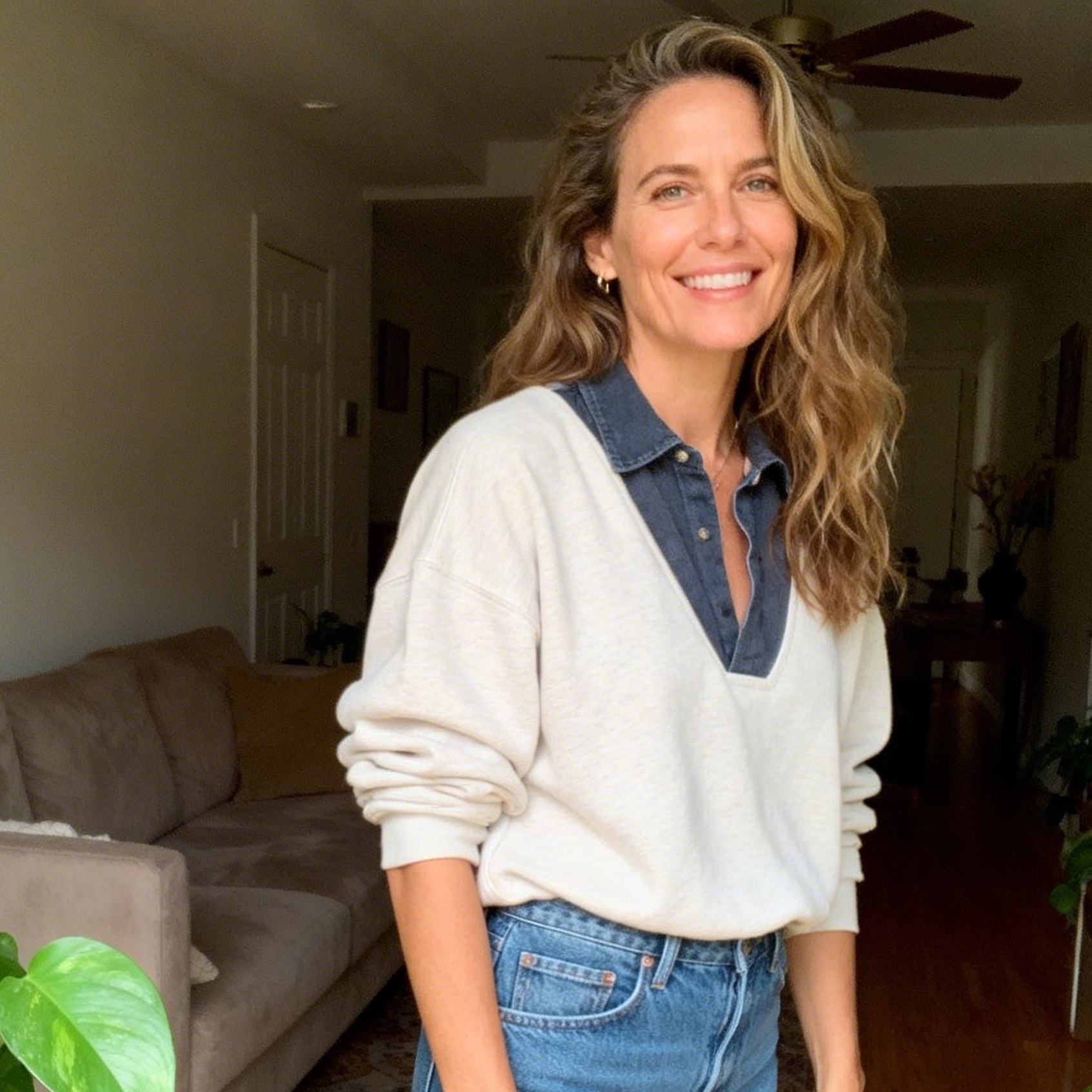
Animated films often serve as a mirror to our own growth, and few scripts have captured the frantic transition from adolescence to self-actualization as sharply as Disney’s 2010 masterpiece. The dialogue in this film remains a gold standard for balancing wit, emotional vulnerability, and the harsh realities of psychological manipulation. Whether it is the frantic energy of a girl stepping onto grass for the first time or the cynical charm of a thief with a fake identity, the quotes from Tangled the movie continue to resonate because they are rooted in universal human experiences.
The optimism and anxiety of Rapunzel
Rapunzel’s character arc is defined by her curiosity and the heavy weight of her perceived limitations. Her lines reflect a constant battle between her desire for the world and the guilt instilled in her by her upbringing.
“I’ve been looking out of a window for eighteen years, dreaming about what I might feel like when those lights rise in the sky.”
This line establishes the stakes of the entire narrative. It is not just about lights; it is about the physical manifestation of a goal. For Rapunzel, the floating lights represent the only tangible connection she has to a world she has been told is dangerous. In the context of 2026, this sentiment remains powerful for anyone feeling stagnant or isolated. The focus on the "window" as her only perspective highlights the difference between observing life and living it.
“I am a horrible daughter. I’m going back. I am never going back! I am a despicable human being! Woo-hoo! Best. Day. Ever!”
This sequence is perhaps the most relatable depiction of an internal identity crisis in animation. The rapid-fire shifting between extreme guilt and pure euphoria perfectly captures the experience of breaking away from a restrictive environment. It acknowledges that freedom often comes with a side of panic. When she calls herself a "despicable human being," it is a direct reflection of the voice of her captor living in her head, while the "Best. Day. Ever!" is her authentic self emerging.
“I want to see the floating lights!”
Simple, direct, and iconic. This isn't just a wish; it is a demand for her own life to begin. It marks the moment Rapunzel stops asking for permission and starts setting conditions.
The wit and vulnerability of Flynn Rider
Flynn Rider, or Eugene Fitzherbert, provides the comedic backbone of the film, but his quotes also reveal the defense mechanisms used by those who feel they have to perform to survive.
“They just can’t get my nose right!”
This recurring joke about his wanted posters serves a dual purpose. On the surface, it’s about his vanity. Deep down, it’s a metaphor for how the world perceives him—never quite seeing the real person, only a distorted version of his mistakes. It sets up the later reveal that "Flynn Rider" is a persona he created because Eugene Fitzherbert didn't feel like enough.
“I know not who you are, or how I came to find you, but may I just say… hi. How ya doin’? The name’s Flynn Rider. How’s your day goin’, huh?”
This is the introduction of the "Smolder." It’s the peak of his performance. The quote highlights his reliance on charm to navigate conflict. He isn't interested in a real connection at this stage; he is using a script that has always worked for him in the past.
“You were my new dream.”
In one of the most emotional moments in the film, the hierarchy of dreams changes. This quote is significant because it shifts the focus from an external goal (the lights or a castle) to a relational one. It suggests that while having a singular purpose is important, the people we meet along the way often become more valuable than the destination itself. It’s a grounded, unselfish admission that stands in stark contrast to the greed of other characters.
The subtle manipulation of Mother Gothel
Analyzing the quotes from Tangled the movie requires a look at the darker side of its dialogue. Mother Gothel is a masterclass in passive-aggression and gaslighting. Her lines are designed to erode Rapunzel's confidence while maintaining the facade of love.
“Rapunzel, look in that mirror. You know what I see? I see a strong, confident, beautiful young lady. Oh look, you’re here too!”
This is a devastating example of Gothel’s tactics. By complimenting herself while pretending to compliment Rapunzel, she keeps the girl in a state of perpetual self-doubt. It is a joke to the audience, but to Rapunzel, it is a constant reminder that she is secondary to Gothel’s needs.
“I love you very much, dear.” / “I love you more.” / “I love you most.”
This ritualistic exchange is often viewed as sweet, but it is actually a competition. Gothel must always "win" the affection. By saying she loves her "most," she is asserting a kind of ownership over Rapunzel’s emotions. It frames love as something with a score to be kept rather than a mutual experience.
“Trust me, I know what I’m—Rapunzel! Enough with the lights, Rapunzel! You are not leaving this tower! Ever!”
This is the moment the mask slips. When manipulation fails, Gothel resorts to raw authority and fear. The transition from "dear" to a screaming command shows the true nature of their relationship: it is a prison, not a home.
Philosophical depth in unexpected places
Some of the most profound quotes from Tangled the movie come from the supporting cast or the quiet moments between the leads. These lines provide the wisdom that helps the protagonists navigate their journeys.
“Well, that’s the good part I guess. You get to go find a new dream.”
When Rapunzel expresses fear about what happens after she achieves her lifelong goal, Flynn provides a surprisingly mature perspective. He validates the idea that dreams are not finite. Achieving one goal doesn't mean life is over; it means the horizon has expanded. This is a vital lesson for anyone facing a major life transition or the completion of a long-term project.
“Find your humanity! Haven’t any of you ever had a dream?”
Rapunzel’s plea to the thugs in the Snuggly Duckling is the catalyst for the film’s funniest yet most touching sequence. It challenges the idea that people are defined solely by their outward appearance or their past actions. By asking about their dreams, she forces them to reconnect with their aspirations, leading to the "I've Got a Dream" musical number. It suggests that beneath even the roughest exterior, there is a desire for something more—be it piano playing, interior design, or finding love.
“Go. Live your dream.”
Spoken by the Hook Hand Thug, this short command carries the weight of a lifetime of missed opportunities. It is an act of selflessness from a character who was supposed to be a villain, proving that inspiration can come from the most unlikely sources.
The Healing Incantation: A mantra of change
The song lyrics that Rapunzel uses to activate her hair’s magic are more than just a plot device; they are a thematic summary of the film’s focus on restoration and time.
“Flower, gleam and glow / Let your powers shine / Make the clock reverse / Bring back what once was mine / Heal what has been hurt / Change the fates' design / Save what has been lost / Bring back what once was mine.”
The repetition of "Bring back what once was mine" takes on different meanings throughout the story. For Gothel, it is a selfish cry for lost youth. For Rapunzel, it eventually becomes a call to reclaim her identity and her family. The phrase "Change the fates' design" is particularly poignant, as it suggests that we are not bound by the paths others have set for us. We have the power to intervene in our own destiny.
Humor and the "Frying Pan" factor
Much of the dialogue’s longevity is due to its sharp, modern comedic timing. The way the characters interact feels less like a fairy tale and more like a modern adventure.
“Frying pans… who knew, right?”
Flynn’s realization that a kitchen utensil is a more effective weapon than a sword is a recurring gag that deconstructs typical hero tropes. It emphasizes resourcefulness over traditional strength. It also highlights the chemistry between the leads—they are learning from each other in real-time.
“I could get used to a view like this. Yep, I’m used to it. Guys, I want a castle.”
Flynn’s early ambition is purely material. His evolution from wanting a castle to wanting Eugene’s real life is one of the most satisfying arcs in the Disney canon. This quote serves as a baseline for his character before he experiences the growth that Rapunzel triggers.
The legacy of the Floating Lights scene
The conversation on the boat is the narrative and emotional heart of the film. The dialogue here is sparse but intentional.
Rapunzel: “I’ve been looking out of a window for eighteen years, dreaming about what I might feel like when those lights rise in the sky. What if it’s not everything I dreamed it would be?” Flynn: “It will be.” Rapunzel: “And what if it is? What do i do then?” Flynn: “Well, that’s the good part I guess. You get to go find a new dream.”
This exchange addresses the existential dread of success. It is rare for a family film to tackle the "post-achievement blues" so directly. Rapunzel is afraid of the void that follows the fulfillment of a purpose. Flynn’s answer is not just comforting; it is a philosophy for life. It encourages a mindset of continuous growth rather than a static destination.
Why Tangled quotes remain relevant in 2026
As we look at these quotes from Tangled the movie in 2026, it is clear that the script was ahead of its time. It predated the massive cultural shift toward discussing mental health and toxic relationship dynamics in mainstream media. Gothel’s dialogue is now used in psychology articles to explain the mechanics of emotional abuse. Rapunzel’s struggle with her "internal monologue" is a textbook example of overcoming social anxiety.
Furthermore, the film’s humor has aged gracefully. It doesn't rely on dated pop-culture references, but rather on character-based wit. The banter between Maximus (who doesn't speak but has a loud personality) and Flynn is often described through Flynn’s dry observations, such as, “You should know that this is the strangest thing I’ve ever done!” while sword-fighting a horse with a frying pan.
The enduring popularity of these lines suggests that we still crave stories about finding the courage to be ourselves. Rapunzel isn't a hero because she has magic hair; she is a hero because she decided her dream was worth the risk of being wrong.
Final thoughts on the dialogue
The quotes from Tangled the movie capture the messiness of being human. They show that you can be terrified and brave at the same time. They show that a "dream" isn't a fixed point, but an evolving part of our identity. Whether you are looking for a laugh from Flynn’s failed "smolder" or a moment of reflection on Rapunzel’s journey to the sun, the script offers a wealth of wisdom wrapped in a fast-paced, colorful adventure.
In the end, the most important takeaway from the film's dialogue is the idea that we are allowed to change our minds. We are allowed to leave the tower. We are allowed to realize that our first dream was just the beginning of a much larger story. As Eugene says at the very end of the film:
“Did Rapunzel and I ever get married? Well, I am happy to say after years and years of asking, I finally said yes.”
It’s a final wink to the audience, reminding us that even the most romantic endings should be tempered with a bit of humor and a lot of heart.