Home
Home
Formation a Distance Bachelor's Economique: The Ultimate Path to a 2026 Finance Career

The landscape of higher education has undergone a radical shift, and by 2026, the traditional four-year on-campus experience is no longer the sole gold standard for professional success. Pursuing a formation a distance bachelor's economique—an online Bachelor’s in Economics—has emerged as a strategic choice for those looking to balance rigorous academic training with the demands of a modern, fast-paced life. This choice is not merely about convenience; it is about accessing high-level analytical tools and economic theories that govern our globalized world, all while maintaining the flexibility to work or manage personal commitments.
The core components of a modern economics degree
A bachelor’s degree in economics is far more than just studying money or the stock market. It is a comprehensive social science that investigates how individuals, businesses, and governments allocate scarce resources. In 2026, a high-quality online program is expected to bridge the gap between classical theory and cutting-edge data science.
Foundational years: Building the logic
The initial stage of the program typically focuses on grounding students in the fundamental principles of the discipline. This includes microeconomics, which examines the behavior of individual agents and markets, and macroeconomics, which looks at the economy as a whole—dealing with inflation, unemployment, and national income.
However, modern programs have integrated practical modules early on. You will likely encounter courses such as "Personal Finance Management" and "Economics in Context," which help apply abstract theories to everyday decisions. Mathematics and statistics are the backbone of this stage, providing the quantitative language necessary to describe economic phenomena precisely.
Intermediate depth: Specialization and modeling
As the curriculum progresses, the focus shifts toward more complex applications. Students dive deeper into essential macro and micro perspectives, often using specialized software to analyze data sets. This stage is crucial for developing the "economist’s mindset"—the ability to look at a policy change or a market shift and identify the underlying incentives and unintended consequences.
Key topics during this phase include:
- Public Finance: Understanding government spending, taxation, and their impact on social welfare.
- International Trade: Analyzing the flow of goods and services across borders and the role of trade policies.
- Development Economics: Exploring why some nations prosper while others struggle, with a focus on emerging technologies and sustainable growth.
Why the "formation a distance" model works in 2026
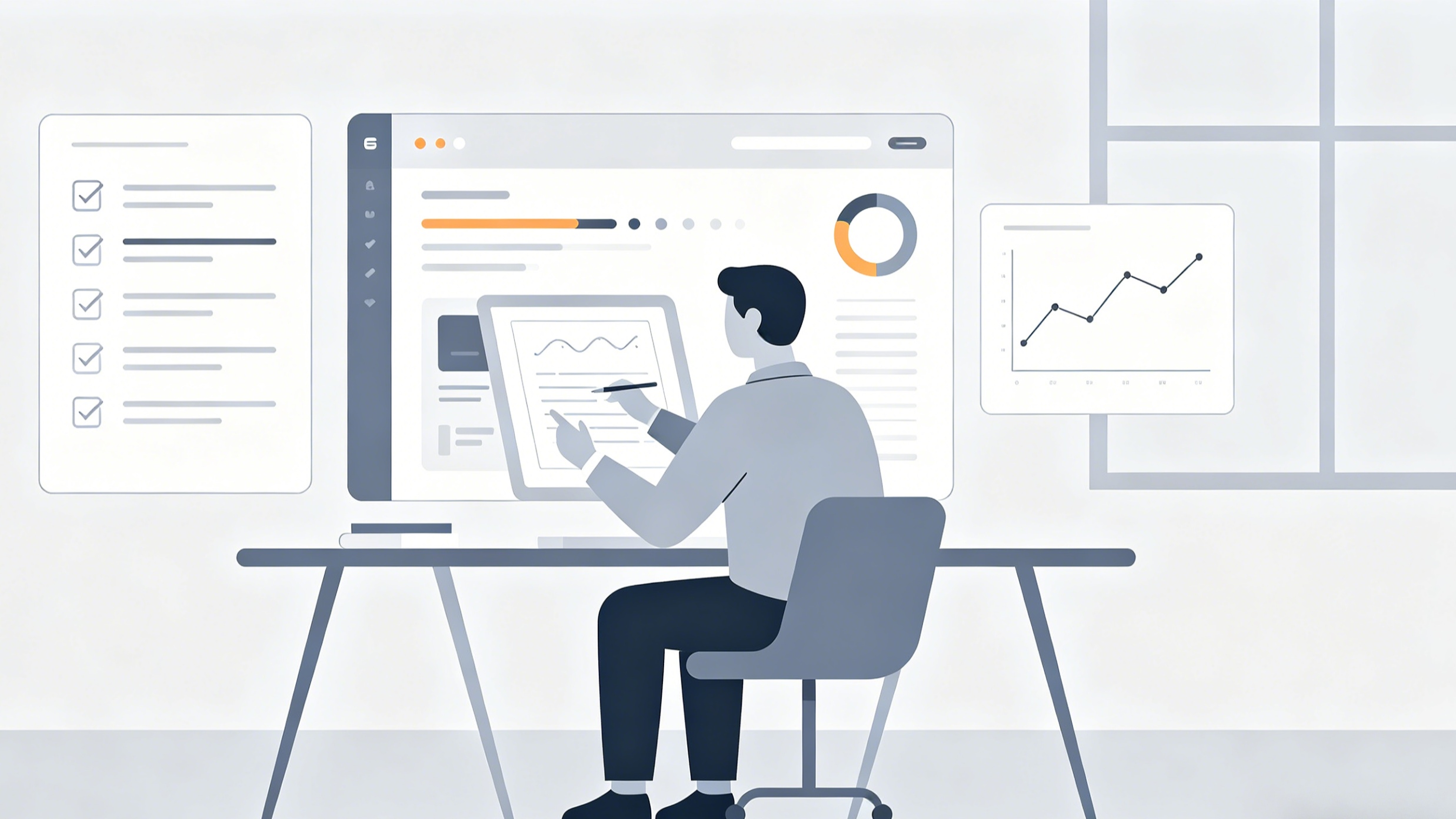
The flexibility of a formation a distance bachelor's economique is its most significant asset. Digital learning platforms now offer immersive experiences that rival, and sometimes exceed, classroom settings. Recorded lectures, virtual discussion forums, and interactive simulations allow students to engage with complex material at their own pace.
Tailored pacing for diverse needs
Most reputable online programs offer multiple pathways. A full-time student might complete the 180 to 360 credits required within three years, mirroring the traditional university timeline. However, for working professionals, the six-year part-time pathway is increasingly popular. This modular approach allows for a customized study plan where you can take one or two modules per year depending on your workload. This adaptability ensures that the pursuit of a degree does not lead to burnout but rather serves as a consistent engine for career growth.
Global accessibility without the relocation cost
One of the most practical benefits of a distance program is the removal of geographical barriers. You can earn a degree from a top-tier institution located in a different country without the exorbitant costs of relocation, housing, and international student fees. The total estimated cost for such programs often ranges significantly lower than on-campus equivalents, making elite education more accessible to a broader demographic.
Skills that define the 2026 economist
Graduating with an economics degree today requires a specific toolkit that goes beyond reading textbooks. Employers in 2026 are looking for candidates who can demonstrate mastery in three specific areas:
- Quantitative and Analytical Proficiency: It is no longer enough to understand theory. You must be able to use mathematical models and statistical tools (such as R, Python, or specialized econometric software) to tackle real-world challenges. Analyzing economic trends and constructing well-rounded arguments based on data is a non-negotiable skill.
- Critical Communication: Economists must be able to translate complex data into actionable insights for non-experts. Whether it is writing a policy brief or presenting data visualizations, the ability to communicate effectively determines your impact in a corporate or government setting.
- Policy Analysis and Evaluation: With the rapid rise of AI and automation, understanding the theoretical implications of new policies and estimating their real-world impact is vital. This involves analyzing how incentives affect the success or failure of government or business initiatives.
Career outcomes and the job market
The versatility of an economics degree is reflected in the diverse career paths available to graduates. While banking and finance remain major employers, the tech sector, government agencies, and non-profit organizations are increasingly seeking economic experts.
- Data Analyst and Labor Market Specialist: Companies use economic principles to optimize their workforce and understand consumer behavior.
- Financial Consultant: Providing strategic advice to businesses on investment decisions and market entry.
- Policy Analyst: Working with think tanks or government bodies to evaluate the effectiveness of social and economic programs.
- Economic Researcher: Conducting empirical studies to understand market dynamics and inform public policy.
According to recent labor statistics, degree holders in economics see significant projected job growth over the next decade. The average salary for an economics graduate remains substantially higher than those with a general liberal arts degree, often exceeding the median income for early-career professionals in many sectors.
Choosing the right program: What to look for
When selecting a formation a distance bachelor's economique, it is essential to look past the marketing and evaluate the substance of the offering.
Accreditation and Reputation
Ensure the program is recognized by relevant educational authorities and has a solid reputation in the industry. An "internationally respected" and "universally understood" degree is vital for those planning to work in different global markets or pursue postgraduate studies like a Master’s or a PhD.
Support Systems and Technology
Distance learning should not mean learning in isolation. Look for programs that offer 24/7 academic support, access to experienced faculty, and a robust student portal. The quality of the virtual learning environment—including the availability of recorded lectures and interactive tools—will significantly impact your learning experience.
Curriculum Relevance
Check if the curriculum is updated to reflect current economic challenges. Does it include modules on emerging technology, climate change economics, or advanced econometrics? A program that remains static in its approach may not provide the competitive edge needed in the 2026 job market.
Practical tips for success in online learning
Transitioning to a distance learning model requires a shift in mindset. Success is largely driven by self-discipline and organization.
- Establish a Dedicated Workspace: Having a specific area for study helps signal to your brain that it is time to focus.
- Set a Consistent Schedule: Even if the program is "at your own pace," setting weekly goals for module completion is essential to stay on track.
- Engage with the Community: Use the virtual forums to connect with peers and instructors. Networking is just as important in a digital environment as it is on campus.
- Leverage Resources: Make full use of the online libraries, research databases, and student services provided by the institution.
The financial and time commitment
Pursuing an undergraduate degree is a significant investment. Annual fees for reputable distance programs can range from modest amounts in some regions to higher scales for specialized degree completion programs. It is worth noting that many institutions now offer flexible payment options and are eligible for federal financial aid or veteran benefits.
In terms of time, one credit usually represents about 10 hours of study. Completing a 60-credit module annually requires a commitment of approximately 15 to 20 hours per week. Planning your life around these requirements is the key to maintaining progress without sacrificing your current professional or personal standing.
Balancing the decision
Deciding to enroll in a formation a distance bachelor's economique should be a balanced decision. It offers an unparalleled opportunity to gain a thorough understanding of financial systems and human behavior while providing the freedom to live your life on your terms. While it requires a high degree of autonomy and technical readiness, the professional rewards—ranging from increased salary potential to the ability to solve complex global issues—make it a compelling choice for the modern student. As we navigate the complexities of the mid-2020s, the ability to analyze the world through an economic lens is perhaps one of the most valuable assets an individual can possess.
-
Topic: Economics Degree BA (Hons) | Open University | R30http://www.open.ac.uk/courses/economics/degrees/ba-economics-r30
-
Topic: BA Economics Distance Education Admission 2026 | Fee, Eligibility & Syllabushttps://dde.imtsinstitute.com/ba-economics-distance-education-admission/
-
Topic: Bachelor of Arts in Economics Online - SDSU Global Campushttps://globalcampus.sdsu.edu/program/business/bachelor-arts-economics-online-degree-completion-program/