Home
Home
New Alternate Staffing Home Care Strategies for 2026
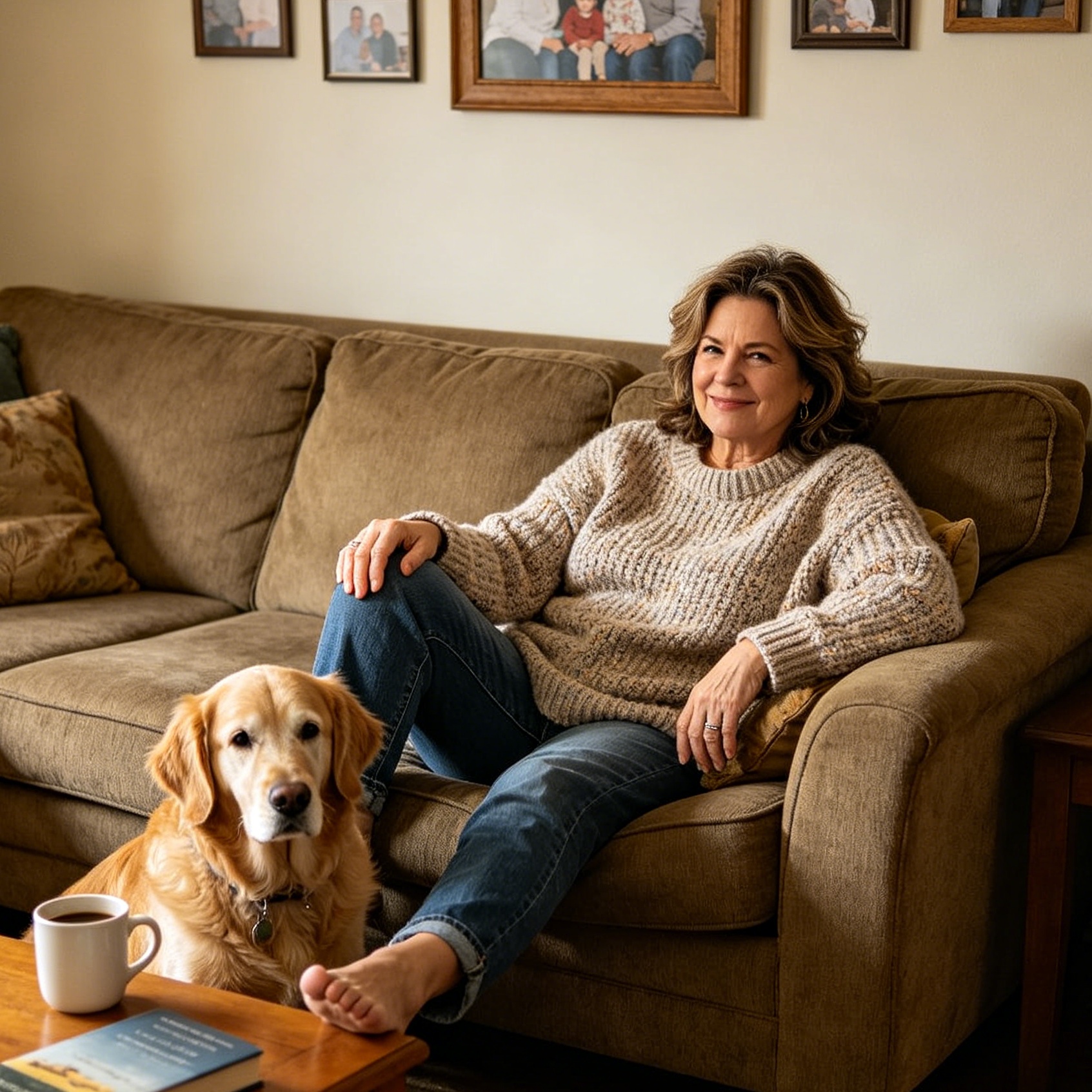
The landscape of senior support is undergoing a radical shift. As we navigate 2026, the traditional model of relying solely on full-service home care agencies is no longer the default for many families. Escalating costs, a persistent shortage of credentialed professionals, and a growing desire for personalized control have pushed the concept of alternate staffing home care into the mainstream. Choosing an alternative staffing route is not merely about cost-cutting; it is about building a resilient, adaptable care ecosystem that respects the autonomy of the elderly while fitting the logistical realities of modern families.
Alternate staffing in this context refers to any model that bypasses the conventional "agency-as-employer" structure. This includes direct private hires, independent contractor registries, tech-enabled gig platforms, and consumer-directed state programs. Each of these paths offers a different balance of risk, reward, and responsibility.
The decline of the one-size-fits-all agency model
For decades, home care agencies provided a sense of security through standardized training and centralized management. However, by 2026, the "agency markup"—often 50% to 100% above the caregiver’s hourly wage—has become a significant barrier for the middle class. Furthermore, high turnover rates within large agencies often lead to a "revolving door" of caregivers, which is detrimental to seniors requiring consistency, especially those with cognitive decline or complex chronic conditions.
Families are now seeking alternate staffing home care solutions to reclaim control over who enters their homes. They want to hand-pick individuals based on personality fit, cultural alignment, and specific skill sets rather than accepting whoever is next on an agency's roster. This shift is empowered by better digital vetting tools and a more robust regulatory framework surrounding independent domestic employment.
Direct hiring: The private caregiver route
Directly hiring a private caregiver remains the most common alternative. In this model, the family becomes the employer. This path offers the highest level of control and the most significant cost savings, as there is no agency taking a cut of every hour billed.
The financial logic
When you remove the intermediary, you can offer the caregiver a higher competitive wage while still paying less than an agency’s retail rate. This often results in higher job satisfaction for the caregiver and lower turnover for the family. In 2026, many skilled nursing assistants prefer private arrangements because they can negotiate better schedules and build deeper emotional bonds with a single client.
The employer’s burden
The primary challenge of direct hiring is the administrative responsibility. As an employer, the family is responsible for:
- Payroll taxes: Withholding and filing Social Security, Medicare, and unemployment taxes.
- Workers' Compensation: Ensuring there is insurance coverage in case the caregiver is injured on the job.
- Vetting: Conducting thorough background checks, verifying certifications, and calling references.
- Backup Care: If a private caregiver gets sick, the family has no agency pool to pull from, requiring a pre-arranged secondary plan.
Caregiver registries and the 1099 model
A caregiver registry acts as a matchmaker rather than an employer. They maintain a database of independent contractors (1099 workers) and connect them with families. This is a "middle ground" alternate staffing home care option.
Registries handle the initial screening and credential verification, which alleviates some of the family's vetting burden. However, because the caregivers are independent contractors, the registry cannot legally supervise their daily work or dictate exactly how tasks are performed without risking a reclassification of the worker's status. The family retains the right to direct the care, while the registry provides the infrastructure for finding talent and, often, a platform for secure payments.
For families who want more autonomy than an agency provides but aren't ready to handle full-scale recruitment, registries offer a streamlined compromise. They provide a level of professional oversight that pure direct hiring lacks, such as ensuring that the caregiver's licenses are up to date.
Technology platforms and the gig economy for care
By 2026, "Uber-style" platforms for home care have matured significantly. These platforms use advanced algorithms to match specific needs—such as dementia care, mobility assistance, or post-surgical recovery—with local caregivers who have verified expertise in those areas.
These platforms represent a highly flexible form of alternate staffing home care. They are particularly useful for:
- On-demand needs: Finding a caregiver for a few hours on short notice.
- Niche skills: Locating someone who speaks a specific language or understands a rare medical condition.
- Transparency: Families can read verified reviews from other local families, similar to how they might choose a contractor for home repairs.
The gig model thrives on transparency. Every shift is tracked via GPS and digital clock-ins, providing peace of mind to distant family members. However, the downside is that these platforms can sometimes feel transactional, and long-term continuity depends entirely on the caregiver's availability on the app.
Supplemental and flexible healthcare staffing
Sometimes, the need for care is not permanent but episodic. Supplemental staffing, often utilized by those recovering from hospital stays, involves bringing in specialized labor—such as Licensed Practical Nurses (LPNs) or Registered Nurses (RNs)—on a per-diem basis.
This model is increasingly used as a "top-off" to existing care. For instance, a family might have a private caregiver for daily activities but use a supplemental staffing provider for weekly medication management or wound care. This hybrid approach ensures that the highest-cost labor is only used when absolutely necessary, optimizing the care budget without sacrificing medical safety.
Consumer-Directed Personal Assistance Programs (CDPAP)
One of the most significant developments in alternate staffing home care is the expansion of state-funded, consumer-directed programs. These programs allow seniors who qualify for Medicaid to choose their own caregivers, including family members or friends, and have them paid by the state.
In 2026, more states have adopted this model to combat the caregiver shortage. It recognizes that many family members are already providing full-time care at the expense of their own careers. By turning family members into "staff," these programs provide financial stability and keep seniors out of institutional settings.
Benefits of CDPAP include:
- Trust: The caregiver is someone the senior already knows and loves.
- Cultural Continuity: Language and dietary preferences are naturally respected.
- Low Attrition: Family caregivers are far less likely to quit than external hires.
However, the administrative requirements for these programs can be rigorous, requiring strict documentation of hours and tasks performed to remain compliant with state audits.
Comparing the models: A 2026 perspective
To decide which alternate staffing home care route is appropriate, families must weigh several factors:
- Cost: Direct hiring and CDPAP are the most economical. Registries are mid-range. Full-service agencies remain the most expensive.
- Control: Direct hiring offers total control over scheduling and tasks. Agencies offer the least, as they must manage their entire workforce's logistics.
- Complexity: Agencies are the simplest for the family (all-inclusive). Direct hiring is the most complex (tax and legal obligations).
- Reliability: Agencies provide the best backup systems. Private hires and gig platforms require the family to have a "Plan B."
The role of micro-staffing and collaborative circles
A burgeoning trend in 2026 is "micro-staffing" or "care circles." This involves a group of neighbors or a small community hiring a small team of 2-3 caregivers to rotate among several households. This alternate staffing home care model creates a micro-agency feel without the corporate overhead.
By pooling resources, these families can offer caregivers full-time hours and benefits, which attracts higher-quality talent. It also ensures that there is always a familiar backup caregiver nearby. This collaborative approach addresses the isolation often felt by both the senior and the solo caregiver.
Legal and safety considerations in 2026
No matter which alternate staffing route is chosen, safety and compliance cannot be overlooked. In 2026, the digital paper trail is more important than ever.
Background checks
It is no longer enough to rely on a "vibe" during an interview. High-quality alternate staffing involves multi-jurisdictional criminal background checks, sex offender registry searches, and motor vehicle record reviews if driving is required. Many third-party services now provide "continuous monitoring," alerting the family if a caregiver is arrested after they have been hired.
Liability insurance
Homeowners' insurance policies often have exclusions for domestic employees. Families utilizing alternate staffing should consider a separate "employment practices liability insurance" (EPLI) policy. This protects against claims of wrongful termination, harassment, or discrimination—risks that are often forgotten until a dispute arises.
Training and Skill Verification
Agencies are responsible for training their staff. In alternate models, the family must verify skills. This might involve hiring a geriatric care manager for a one-time assessment to ensure the caregiver knows how to safely perform "transfers" (moving a senior from a bed to a wheelchair) or manage specialized equipment like oxygen concentrators.
Creating a sustainable care plan
Successful alternate staffing home care is rarely about picking one model and sticking to it forever. It is usually a progression. A senior might start with a few hours of gig-platform companionship, move to a steady private hire for daily needs, and eventually add supplemental nursing staff as health declines.
To build a sustainable plan:
- Assess the workload: Be honest about whether the senior needs medical intervention or just social support.
- Evaluate the family’s bandwidth: Does someone have the time to manage payroll and scheduling? If not, a registry or a platform with built-in management tools is better than a pure private hire.
- Establish clear boundaries: Because alternate staffing often leads to closer personal relationships, it is vital to have a written contract that outlines duties, hours, and professional conduct.
- Invest in technology: Use shared digital calendars and care logs. These tools allow everyone in the "care circle" to see what was eaten, which medications were taken, and any changes in mood or physical health.
Future outlook: The human-centric shift
The move toward alternate staffing home care represents a broader societal shift toward aging in place. By decentralizing care, we are making it more accessible and more human. The "institution" is being replaced by the community and the family, supported by professional caregivers who are treated as valued partners rather than just employees on a spreadsheet.
As we look toward 2027, the technology for managing these decentralized models will only improve. We can expect more streamlined tax automation for domestic employers and better peer-to-peer networks for finding specialized care. For the family of 2026, the message is clear: you have more options than ever before. While these options require more involvement, the reward is a higher quality of life for the people who matter most.
-
Topic: What Are The Alternatives To Home Care Agencies For Care For My Aging Parents?https://clarahomecare.com/articles/what-are-the-alternatives-to-home-care-agencies-for-care-for-my-aging-parents?678e0d83_page=2&678e0d83_page=1&_gl=1%2Agene8h%2A_gcl_au%2AMTE4MTg0MzEzMC4xNzMyMDUwNTE5&b62518c6_page=3&b62518c6_page=1&c2611054_page=3&c2611054_page=2&ref=huntscreens.com
-
Topic: Flexible Healthcare Staffing Solutions for Personalized Home Carehttps://abs.care/Flexible-Healthcare-Staffing-Solutions-for-Personalized-Home-Care
-
Topic: Healthcare Supplemental Staffing: Supports Quality Home Carehttps://extendedfamilycare.com/lancaster/blog/2025/07/11/how-healthcare-supplemental-staffing-supports-quality-home-care/