Home
Home
Alternative Schools Near Me: Finding a Better Fit for Your Child

The traditional educational landscape is undergoing a significant transformation. As of 2026, the standard "one size fits all" approach of localized public schooling is increasingly being supplemented—or entirely replaced—by a diverse array of alternative schools. When searching for alternative schools near me, it is essential to understand that this term no longer refers solely to programs for "at-risk" youth. Instead, it encompasses a sophisticated spectrum of educational philosophies designed to cater to different learning styles, social-emotional needs, and academic goals.
Defining the alternative education umbrella
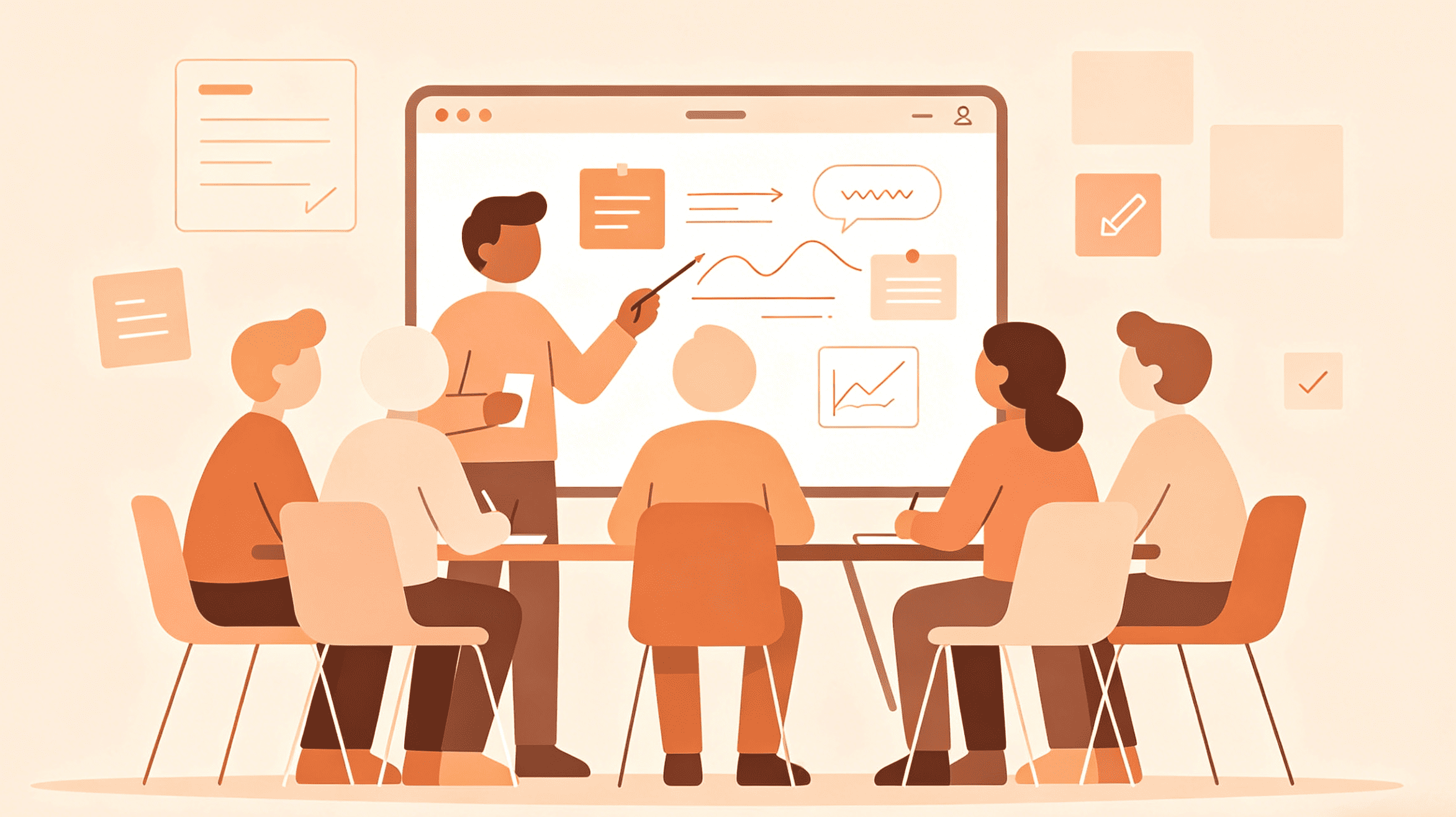
Alternative education is an broad category that includes any learning environment deviating from the traditional public school system. This includes charter schools, private schools with specific pedagogical leanings (like Montessori or Waldorf), one-to-one learning centers, and specialized therapeutic environments. The common thread among these institutions is a focus on flexibility, smaller class sizes, and a student-centered approach to curriculum.
In the current educational climate, parents often seek alternative options for several reasons. Some students require a more rigorous academic pace than local public schools provide, while others may struggle with the social pressures of a large campus. Additionally, the rise of neurodiversity awareness has led many families to seek environments that specifically support ADHD, dyslexia, or autism through specialized instruction rather than standard accommodations.
The role of charter schools in the local community
Charter schools represent one of the most accessible forms of alternative education because they are tuition-free public schools. However, they operate with more autonomy than traditional schools, allowing them to implement innovative teaching models. For those searching in specific regions like North Carolina, the variety is extensive. Schools such as the Cardinal Charter Academy or Envision Science Academy highlight a trend toward STEAM-focused (Science, Technology, Engineering, Arts, and Mathematics) curricula and project-based learning.
These institutions often prioritize character development and community involvement alongside academics. For instance, some academies focus on the "Glasser Quality School" model, which emphasizes personal responsibility and a respectful, inclusive environment. Others, like the Casa Esperanza Montessori, offer dual-language immersion, proving that charter schools can provide specialized cultural and linguistic experiences that were once reserved for expensive private institutions.
When evaluating charter schools nearby, it is important to look at their specific charter mission. Some are designed as college preparatory environments (like East Wake Academy), while others may focus on the arts or specific technical skills. Because they are schools of choice, they often require an application or lottery process, making early research a necessity.
Personalized learning: The one-to-one and small group model
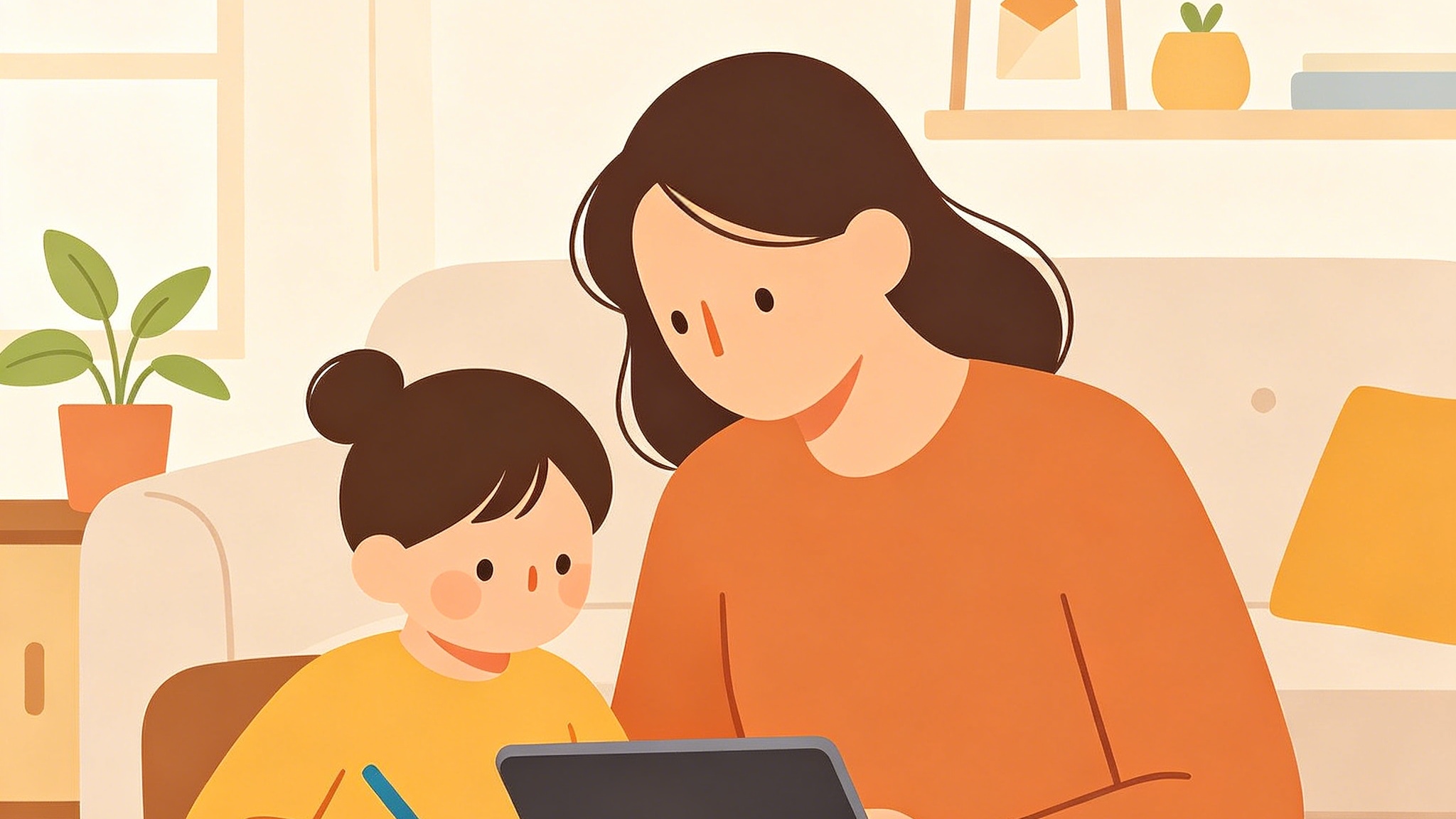
One of the most significant shifts in alternative education has been the move toward extreme personalization. The one-to-one learning model—where one teacher works with one student—has gained immense popularity for middle and high schoolers. Schools like Fusion Academy have expanded significantly, offering an environment where the curriculum is tailored entirely to the individual’s pace and interests.
This model is particularly effective for students who may experience school-based anxiety or those who have unconventional schedules due to pre-professional athletics or arts careers. By removing the distractions of a traditional classroom, students can often complete coursework more efficiently while developing deep mentorship-based relationships with their instructors. The social aspect is not ignored; these schools typically feature centralized "homework cafes" or social hubs where students interact between their private sessions, balancing academic focus with peer connection.
Pedagogical alternatives: Montessori, Waldorf, and Reggio Emilia
For younger children, the search for alternative schools near me often leads to established pedagogical models that have stood the test of time but remain "alternative" to the mainstream.
- Montessori Schools: These environments focus on self-directed activity and hands-on learning. Classrooms are typically multi-age, allowing older children to mentor younger ones. The role of the teacher is more of a guide, preparing the environment so that children can follow their natural interests.
- Waldorf Education: This approach emphasizes the role of imagination in learning and strives to integrate the intellectual, practical, and artistic development of the pupils. It is known for its delay of formal technology use in early years and its focus on holistic, nature-based activities.
- Reggio Emilia: Often found in preschools, this student-centered curriculum uses experimental learning and views the environment as the "third teacher." It is deeply collaborative and focuses on the child’s many "languages" of expression, such as drawing, sculpting, and music.
Each of these models offers a distinct philosophy on how a child develops. Parents choosing these routes often prioritize the development of the "whole child" over early standardized testing performance.
Special education and therapeutic alternatives
For many families, the search for an alternative school is driven by the need for specialized support that a traditional district cannot provide. There is a robust network of schools, such as those in the SESI (Specialized Education Services, Inc.) network, that focus on students with emotional, behavioral, or learning challenges.
In cities like Philadelphia, Chicago, and Baltimore, these schools—often branded as "High Road" or "Excel" academies—provide highly structured environments. They utilize small class sizes, intensive behavioral support, and individualized transition planning to help students either return to their home school districts or successfully graduate. These programs are essential for students who require more than just a modified curriculum; they need a therapeutic setting where emotional regulation is taught as a core skill alongside algebra and literature.
Online and hybrid models: The 2026 perspective
As we move through 2026, the definition of "near me" has shifted. While physical location remains important for many, hybrid models have become a standard alternative. A student might attend a physical campus two days a week for labs, arts, and socialization, while completing the rest of their work through a sophisticated, AI-enhanced online platform.
This "blended" approach offers the best of both worlds: the flexibility of home-based learning with the community benefits of a local school. It is particularly popular for high school students who are starting to manage their own time in preparation for college or the workforce. These schools often use competency-based learning, where students progress only after they have mastered a topic, rather than simply sitting through a set number of hours in a chair.
How to evaluate an alternative school near you
When you have narrowed down a list of potential schools, the evaluation process should be more rigorous than it is for a traditional neighborhood school. Since these institutions often have unique philosophies, ensuring alignment with your family’s values is paramount.
Visit during school hours
A school’s website can describe a "joyful learning environment," but you must see it in action. Observe the interactions between students and staff. Are the students engaged, or do they seem disconnected? In a one-to-one or small group setting, look for the rapport between the teacher and the learner.
Review the accreditation and outcomes
Ensure the school is accredited by a recognized body (such as Cognia or regional associations). While alternative schools may de-emphasize standardized testing, they should still have clear data on student outcomes. For high schools, ask about college acceptance rates or vocational success stories. Most reputable alternative schools will have a profile of their graduating class that details these achievements.
Understand the financial commitment
Charter schools are free, but many other alternative models are private. Research whether the school offers need-based financial aid or if your state provides "school choice" vouchers that can be applied to tuition. In 2026, more states have passed legislation allowing education tax dollars to follow the student, which has made private alternative schools more accessible to middle-income families.
Assess the social-emotional support
One of the primary draws of alternative education is better social support. Ask about the school’s approach to bullying, mental health, and conflict resolution. Smaller schools often have a much tighter pulse on the social dynamics of their student body, which can be a lifesaver for students who have felt lost in large systems.
Geographic highlights of alternative options
The availability of alternative schools varies significantly by region. In the Triangle area of North Carolina (Raleigh, Durham, Cary), there is a high concentration of STEAM and Montessori-based charter schools. In the Northeast, particularly around Philadelphia and Maryland, there is a dense network of specialized schools focusing on behavioral health and academic intervention.
In the Midwest, cities like Chicago have seen a surge in "Excel" academies that focus on credit recovery for high school students who have fallen behind. This geographic diversity means that your search for "alternative schools near me" will yield very different results depending on your local educational climate. It is worth looking slightly outside your immediate zip code, as many alternative schools serve a wider regional area and may offer transportation or hybrid options.
The impact of technology in 2026 alternative schools
Modern alternative schools are at the forefront of integrating technology responsibly. Unlike the rushed digital adoption of years past, the current approach is deliberate. AI is used to create truly adaptive learning paths. If a student at an alternative high school in 2026 is struggling with a specific concept in physics, the school's platform can instantly pivot to offer different modalities—visual, auditory, or interactive—until the student achieves mastery.
However, the best alternative schools balance this high-tech approach with high-touch human interaction. They recognize that technology is a tool for efficiency, but mentorship and emotional connection are the drivers of actual learning.
Why the "Alternative" label is changing
As these models become more mainstream, the stigma once associated with "alternative" education is fading. Being an alternative school student in 2026 often signifies that a family is proactive about education. It suggests a move away from passive schooling toward an active choice based on a child’s unique strengths.
Whether it is a project-based charter school in a suburban neighborhood or a specialized one-to-one center in a city high-rise, these schools are proving that different is not just "other"—it is often better. The goal of searching for an alternative school near me is ultimately to find a place where the student is seen as an individual, not just a data point in a district’s census.
Final considerations for your search
Choosing a school is a significant decision that impacts a child's daily happiness and long-term trajectory. As you explore the options near you, keep a checklist of your non-negotiables. These might include:
- Class size limits: Does "small" mean 5 students or 15?
- Teacher qualifications: Are they experts in their specific pedagogy (e.g., Montessori certified)?
- Extracurriculars: Does the school offer sports or arts, or do they partner with local community organizations for these activities?
- Schedule flexibility: Does the school’s calendar align with your family’s needs?
Alternative schools offer a path to re-engaging with education. By focusing on a student’s specific needs—whether they are academic, emotional, or social—these institutions provide a vital service in the modern educational ecosystem. As you conduct your search, remember that the "best" school is not the one with the highest ranking on a generic list, but the one that aligns most closely with your child’s way of experiencing the world.
-
Topic: Charter Schools Near me | Quick Searchhttps://triangleforparents.com/charter-schools-nearme
-
Topic: How to Find the Best Alternative Schools Near You (Categories & Options) | Fusion Academyhttps://www.fusionacademy.com/resources/best-alternative-schools-near-me/
-
Topic: Find a School for K-12 Special & Alternative Education | SESI Schoolshttps://sesischools.com/find-a-location/