Home
Home
Finding Alternative Schools Near Me That Actually Fit My Kid's Needs
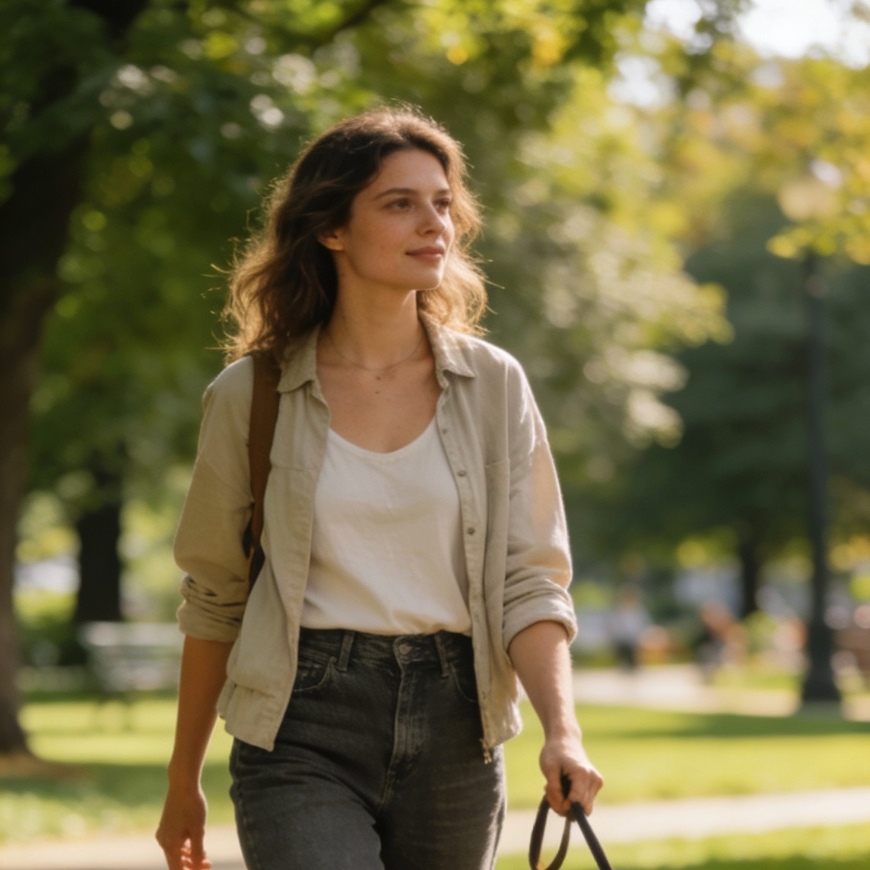
Education in 2026 is no longer a conversation about whether a child fits a school, but whether a school fits the child. The surge in searches for alternative schools near me reflects a broader cultural shift away from standardized, one-size-fits-all instruction toward personalized learning environments. When a child struggles or feels uninspired in a traditional classroom, the "alternative" label often carries a mix of hope and uncertainty. Understanding the landscape is the first step in moving from frustration to a viable educational path.
The shifting definition of alternative education
Historically, alternative schools were often viewed as a last resort for students with behavioral issues or those failing out of the mainstream system. That perception is largely obsolete. Today, alternative education encompasses a wide spectrum of philosophies, including tuition-free charter schools, high-end private academies focusing on one-on-one mentorship, and therapeutic environments designed for neurodivergent learners.
In the current landscape, "alternative" simply means a departure from the traditional direct-instruction model. These schools often prioritize project-based learning, social-emotional health, or specialized career tracks. The goal is to provide an environment where the student's specific learning style—be it kinesthetic, auditory, or self-paced—is the primary driver of the curriculum.
Identifying the models available in your area
When looking for options nearby, it is helpful to categorize schools by their operating model. Most search results for alternative schools fall into four distinct buckets, each serving a different type of learner.
1. Public charter schools: Innovation at no cost
Charter schools are publicly funded but independently run. They offer an alternative to local district schools without the barrier of private tuition. Many parents gravitate toward these because they often adopt specific themes, such as STEAM (Science, Technology, Engineering, Arts, and Mathematics) or Global Education.
For instance, models like Envision Science Academy focus heavily on project-based learning where students solve real-world problems. Others, such as Casa Esperanza Montessori, integrate language immersion with traditional Montessori methods. The benefit here is the flexibility in curriculum and teaching methods, although these schools often have high demand and use lottery systems for enrollment. If you are searching for a charter school near you, check your state’s charter school office for a directory of specialized academies in southern Wake or similar growing regions.
2. Private alternative and micro-schools
For families seeking a radical departure from the classroom setting, private alternative schools offer the highest level of customization. A prominent model in 2026 is the one-on-one academy, such as Fusion Academy. In this setting, the student is the only one in the room with the teacher. This eliminates social distractions and allows the curriculum to move at the student's precise pace—speeding up through strengths and slowing down for challenges.
Other private options include micro-schools or "Acton Academies," which emphasize self-directed learning and student-led studios. These schools are ideal for students who are either highly gifted and bored in traditional settings or those who suffer from severe school-based anxiety and need a smaller, more intimate community. The trade-off is often a higher tuition cost, sometimes exceeding the average private school rate, reflecting the intensive staffing requirements.
3. Special education and therapeutic schools
Not all alternative schools are about high-speed academics; many are designed to provide safety and support for students with emotional, behavioral, or learning differences. Systems like SESI Schools (Specialized Education Services, Inc.) provide highly structured environments for students who may have ADHD, autism spectrum disorders, or other challenges that require more support than a traditional IEP (Individualized Education Program) can provide in a public school.
These locations often feature smaller class sizes (typically 6 to 12 students) and a higher ratio of staff to students, including on-site counselors and behavioral specialists. When searching for these near you, look for programs like the High Road School or Achieve Academy, which focus on transitional skills and emotional regulation alongside core academics.
4. Montessori, Waldorf, and Reggio Emilia
These are the "classic" alternatives. Montessori schools focus on independence and hands-on learning, often using mixed-age classrooms to allow older students to mentor younger ones. Waldorf education emphasizes imagination and the arts, delaying formal technology use in early years. These models are widely available in most suburban and urban areas and offer a consistent philosophy that many families find grounding.
How to evaluate an alternative school near you
Once a list of local schools is gathered, the evaluation process must go deeper than just reviewing a website. Because alternative schools often operate outside the standard bureaucratic norms, the "vibe" and the specific implementation of their philosophy are critical.
Observation of student engagement
During a tour, notice how the students are interacting. In a high-quality alternative setting, you should rarely see a teacher lecturing at the front of the room while rows of students take notes. Instead, look for collaborative groups, students working independently on digital platforms, or one-on-one sessions. Are the students active participants in their learning, or are they passively following instructions? In schools following models like the Glasser Quality School approach, you will see a focus on personal responsibility and a respectful, joyful environment rather than a punitive one.
Transparency in outcomes
Alternative schools may not always use standardized testing as their primary metric. Ask the admissions team how they measure progress. Do they use portfolios? Mastery-based grading? Qualitative narrative reports? A reputable alternative school should be able to clearly articulate how they ensure a student is prepared for the next step, whether that is returning to a traditional high school, entering a university, or starting a career.
Faculty expertise and mentorship
In many alternative models, the teacher’s role shifts from "instructor" to "mentor" or "coach." In one-on-one settings, the chemistry between the student and the teacher is the most important factor for success. Ask about the faculty's background. Are they trained in the specific philosophy the school espouses? How do they handle a student who is resistant to learning? The best alternative schools prioritize the relationship between the educator and the student as the foundation for academic growth.
The financial reality of alternative choices
Cost is a significant factor in the search for alternative schools near me. Public charter schools are tuition-free, making them the most accessible option. However, private alternative schools in 2026 can range significantly in price.
On average, alternative private school tuition in high-demand states like California can reach over $21,000 annually, often higher than the standard private school average due to the lower student-to-teacher ratios. Some specialized therapeutic schools may cost even more.
However, many private alternative schools offer financial aid or sliding scale tuition based on income. Furthermore, some states have implemented school choice programs or education savings accounts (ESAs) that allow public funding to follow the student to a private alternative setting. It is worth investigating whether your local jurisdiction offers these financial supports.
Why a child might need an alternative now
It is rarely a single event that leads a family to search for an alternative school. More often, it is a gradual realization that the traditional environment is causing more harm than good. Common indicators include:
- Chronic School Refusal: If a child is consistently anxious or physically ill at the thought of going to school, the environment is likely a poor fit.
- Stagnant Academic Growth: When a child is neither challenged nor supported, they often "shut down" or become disruptive.
- Social Isolation or Bullying: Larger schools can be difficult for students who don't fit the social norm. Smaller alternative communities often provide a safer haven for neurodivergent or LGBTQ+ students.
- Unique Talents: Students with intensive training schedules for athletics or the arts often need the flexible scheduling provided by alternative high schools that offer morning or afternoon sessions.
Technology's role in the 2026 alternative classroom
By 2026, technology has been seamlessly integrated into the alternative school experience. Unlike the early days of "online school," modern alternative settings use technology as a tool for personalization rather than a replacement for human interaction.
Self-paced learning platforms allow students to master concepts in math or science through interactive modules, freeing up the teacher to provide deeper, one-on-one support where it’s needed most. In STEAM-focused charter schools, technology is used for 3D modeling, coding, and digital storytelling. When looking at schools near you, ask how they balance screen time with hands-on, tactile learning to ensure a well-rounded experience.
Navigating the admissions process
The admissions process for alternative schools is often more of a conversation than a high-pressure interview. Because these schools are looking for a "fit," they want to ensure their environment can truly support the student's needs.
Be prepared to share previous school records, but also be honest about the challenges your child has faced. The goal of an alternative school is to solve those problems, not to penalize the student for them. Many schools offer a "shadow day" where the student can spend a half-day or full day in the classroom. This is perhaps the most valuable tool in the decision-making process. Observe your child’s reaction after the shadow day—their level of energy and enthusiasm will often tell you more than any brochure.
Local community and social development
A common concern about alternative schools—especially those with very small enrollments—is the lack of social opportunities. However, many alternative schools near you likely address this through community partnerships.
For example, some schools collaborate with local community colleges for dual enrollment, or with local businesses for internships. Small schools often foster a tighter-knit, multi-age community that mimics real-world social environments better than a hallway of thousands of same-age peers. Look for schools that offer extracurricular activities, athletics, or enrichment programs to engage students beyond the core subjects.
The long-term impact of choosing an alternative
Choosing an alternative school is not a permanent detour; for many, it is a bridge to future success. Research suggests that students who find a learning environment that aligns with their needs develop greater self-efficacy and a more positive view of education. Whether the goal is to return to the public system later or to graduate from an alternative high school, the priority remains the same: protecting the child's love of learning.
In 2026, the diversity of school models available means that there is almost certainly an option that aligns with your family’s values and your child’s unique profile. By moving beyond the "near me" search and diving into the specific pedagogical models, you can find a school that doesn't just educate, but inspires.
-
Topic: Charter Schools Near me | Quick Searchhttps://triangleforparents.com/charter-schools-nearme
-
Topic: Find a School for K-12 Special & Alternative Education | SESI Schoolshttps://sesischools.com/find-a-location/
-
Topic: Best Alternative 17吃瓜网 Schools in California (2026)http://www.bullseyeconsultinggroup.com/california/alternative-private-schools