Home
Home
Winning With a Top PPT Presentation: Design Trends and Storytelling Shifts

The landscape of professional communication in 2026 has undergone a significant transformation, moving away from static information delivery toward immersive, high-efficiency storytelling. Creating a top ppt presentation today requires more than just functional literacy in software; it demands an understanding of cognitive load, visual hierarchy, and the evolving expectations of digital-native audiences. As attention spans continue to fragment, the standard for what constitutes a high-performing deck has shifted from aesthetic decoration to strategic clarity.
The fundamental shift in presentation psychology
Modern audiences are habituated to rapid content consumption, a trend that has fundamentally altered how slides are processed. A top ppt presentation is no longer a teleprompter for the speaker but a visual reinforcement layer. The psychological principle of "Dual Coding" suggests that information is better retained when verbal and visual inputs complement rather than duplicate each other. Consequently, the most effective presentations now prioritize a low ink-to-data ratio, ensuring that every element on the screen serves a specific cognitive purpose.
In many professional environments, the "Slide-Doc" hybrid has become obsolete. Instead, practitioners are moving toward a binary approach: a high-impact, visual-heavy deck for live delivery, and a separate, detailed technical appendix for post-meeting reading. This separation allows the live presentation to focus on emotional resonance and key decision-making drivers without being bogged down by granular data that the human eye cannot process in real-time.
Leading design trends in 2026
Visual aesthetics in 2026 are characterized by a blend of functionalism and high-tech elegance. Several key trends define the current standard of a top ppt presentation:
Bento Grid Layouts
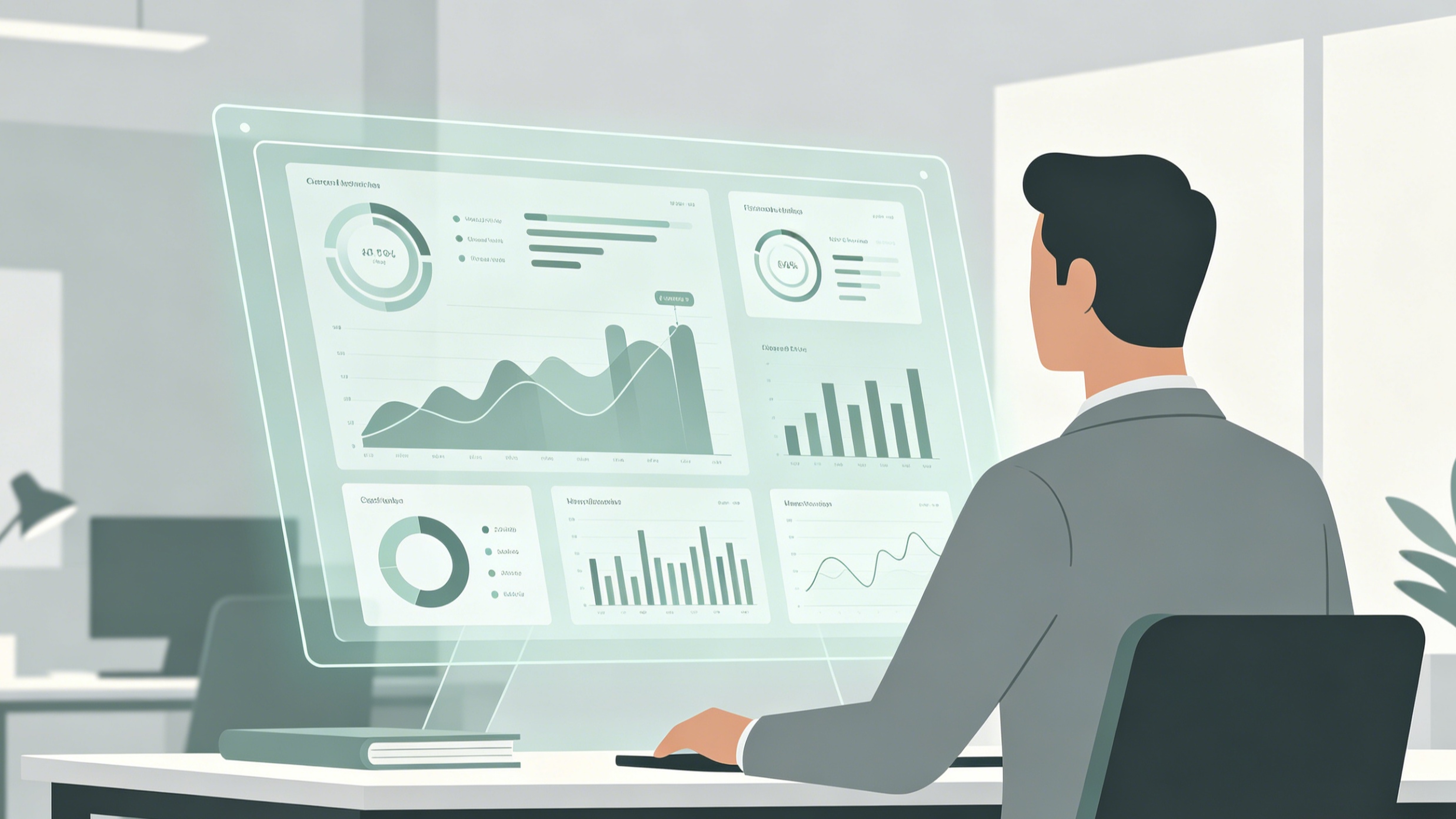
Inspired by modern user interface design, the Bento Grid system organizes information into discrete, rounded rectangular containers. This structure provides a sense of order and allows for the modular presentation of disparate ideas. It is particularly effective for executive summaries or product feature overviews where multiple data points need to coexist without competing for dominance.
Glassmorphism and Depth
The use of semi-transparent layers with background blur—often referred to as glassmorphism—adds a sense of verticality to slides. By using z-axis depth, presenters can guide the audience's focus toward primary information while keeping secondary context visible but unobtrusive. This technique reduces visual clutter by creating a clear hierarchy of planes.
Kinetic Typography
Static text is increasingly being replaced by subtle, purposeful motion. Kinetic typography, when used sparingly, can emphasize key verbs or transformational metrics. In 2026, the focus is on "micro-interactions" where text responds to the flow of the narrative, creating a more cinematic experience that maintains engagement during longer sessions.
The Dominance of Dark Mode
Dark backgrounds with high-contrast, vibrant accents have become the professional standard for high-stakes presentations. Beyond the aesthetic appeal, dark mode reduces eye strain in dimly lit boardrooms and creates a more premium, focused atmosphere. It also allows high-quality photography and data visualizations to "pop" with greater intensity compared to traditional white backgrounds.
Strategic structural frameworks
A top ppt presentation is built upon a robust logical foundation. Without a coherent narrative arc, even the most beautiful slides fail to convert. Several frameworks have emerged as industry leaders for structuring persuasive content:
- The Contrast Model: This approach involves constantly toggling between "what is" (the current pain point) and "what could be" (the proposed future state). By creating a gap between the status quo and the solution, the presenter generates a sense of urgency and momentum.
- The Modular Inverted Pyramid: Common in technical and financial presentations, this framework delivers the most critical conclusion first, followed by supporting evidence and finally the methodology. This ensures that even if the session is cut short, the primary value proposition has been communicated.
- The Narrative Loop: For branding and culture-focused decks, the narrative loop starts with a human-centric story that is paused at a climax. The technical content is then delivered as the solution to the story's conflict, and the loop is closed in the conclusion, providing a satisfying emotional payoff.
Mastering data visualization for impact
In 2026, the mere inclusion of a chart is insufficient. A top ppt presentation treats data as a character in the story. Professional decks have moved away from standard spreadsheet exports toward custom-designed visualizations that highlight the "so what?" behind the numbers.
Strategic Annotation: Rather than expecting the audience to interpret a line graph, leading presenters use direct annotations. An arrow pointing to a specific dip in a chart with a text label explaining the cause (e.g., "Supply chain disruption in Q3") provides immediate context and prevents misinterpretation.
Simplified Complexity: For complex data sets, the use of "progressive disclosure" is recommended. This involves showing a simplified version of the data first, then adding layers of complexity as the explanation progresses. This prevents the audience from feeling overwhelmed and keeps their focus aligned with the speaker's narrative.
The End of 3D Charts: It is now widely recognized in design circles that 3D bar and pie charts distort the perception of data. Top-tier presentations strictly adhere to 2D formats, utilizing color and scale to represent importance rather than artificial perspective.
Integration of technology and AI-assisted workflows
The process of creating a top ppt presentation has been revolutionized by AI-driven layout engines and real-time collaboration tools. However, the role of these tools is to assist, not replace, human strategic thinking.
Generative AI is currently utilized for automating repetitive tasks such as resizing images, ensuring consistent font application, and suggesting color palettes based on brand guidelines. More advanced applications include "Smart Reflow," which automatically adjusts the layout when text is added or removed, maintaining the integrity of the design without manual intervention.
Furthermore, interactivity has become a staple of professional presentations. Rather than linear slide decks, many modern presentations are built as non-linear environments. Presenters can click on specific elements to jump to deep-dive sections based on audience questions, making the experience feel more like a bespoke conversation than a canned speech.
Accessibility and inclusive design standards
In 2026, a presentation cannot be considered "top-tier" if it is not accessible to all participants. Inclusive design has moved from a niche requirement to a core professional standard. This includes:
- Color Blindness Considerations: Avoiding color combinations like red/green to convey meaning. Using patterns or distinct shapes alongside color to ensure clarity for everyone.
- Screen Reader Optimization: Ensuring that the back-end structure of the PPT (the reading order of objects) is logical for those using assistive technologies.
- Simplified Language: Reducing jargon and complex sentence structures to ensure that non-native speakers and those with cognitive differences can follow the narrative easily.
- Alt-Text for Visuals: Providing descriptive text for all images and charts within the file metadata, allowing the core message to be accessible even without visual input.
Delivering the final product
The synergy between the slide deck and the delivery mechanism is the final component of a top ppt presentation. In a hybrid world, this often means optimizing for both a large screen in a physical room and a small laptop screen via video conferencing.
High-performing presenters now use "Presenter View" enhancements that allow them to see private notes, upcoming cues, and audience sentiment data simultaneously. The slides themselves are designed with "safe zones" to ensure that the speaker’s video overlay or platform UI elements do not obscure critical information.
Ultimately, the goal of a top ppt presentation in 2026 is to serve as a catalyst for action. Whether it is securing investment, approving a strategy, or launching a movement, the slides are the visual evidence of a well-reasoned and professionally articulated vision. By adhering to modern design principles, leveraging strategic frameworks, and ensuring total accessibility, presenters can create assets that do not just inform, but transform their audience.
-
Topic: 20 Best PowerPoint Presentation Examples [+Free templates]https://graphypix.com/powerpoint-presentation-examples-templates/
-
Topic: Top 10 PowerPoint PPT Presentations and Slideshttps://www.slideteam.net/Top-10-PowerPoint-PPT-Presentations-and-Slides?p=7698
-
Topic: Top 10 Best Powerpoint Presentations PowerPoint Presentation Templates in 2026https://www.slideteam.net/top-10-best-powerpoint-presentations-powerpoint-presentation-templates